
Waterlogged fields threaten paddy and vegetable crops; cultivators seek urgent damage assessment and timely relief
Dillip Kumar Pattnaik
KHORDHA, SEPTEMBER 26: Incessant rainfall triggered by a low-pressure system has dealt a severe blow to agricultural activities in Khordha district, leaving farmers apprehensive about substantial crop losses and the prospect of mounting financial liabilities. With standing paddy and vegetable crops exposed to prolonged waterlogging, cultivators fear that the damage could significantly reduce their seasonal earnings and jeopardise their ability to recover cultivation costs.
The persistent downpour has compounded the difficulties of farming households that have already invested heavily in agricultural operations. Many cultivators, particularly small and marginal farmers, depend on institutional credit and private borrowings to purchase seeds, fertilisers, pesticides and other essential inputs. With the prospect of a diminished harvest, concerns are mounting over loan repayments, household expenditure and the availability of funds for the next cropping season.
Reports of crop damage have emerged from several villages under Khordha Panchayat Samiti, including Narangarh, Brajamohanpur, Orabarsingh, Gudum, Bangida, Haldipada, Nalipada, Arjunpur and Pubusahi. Paddy and vegetable cultivation, which sustain a significant section of the rural population, have reportedly borne the brunt of the adverse weather conditions.
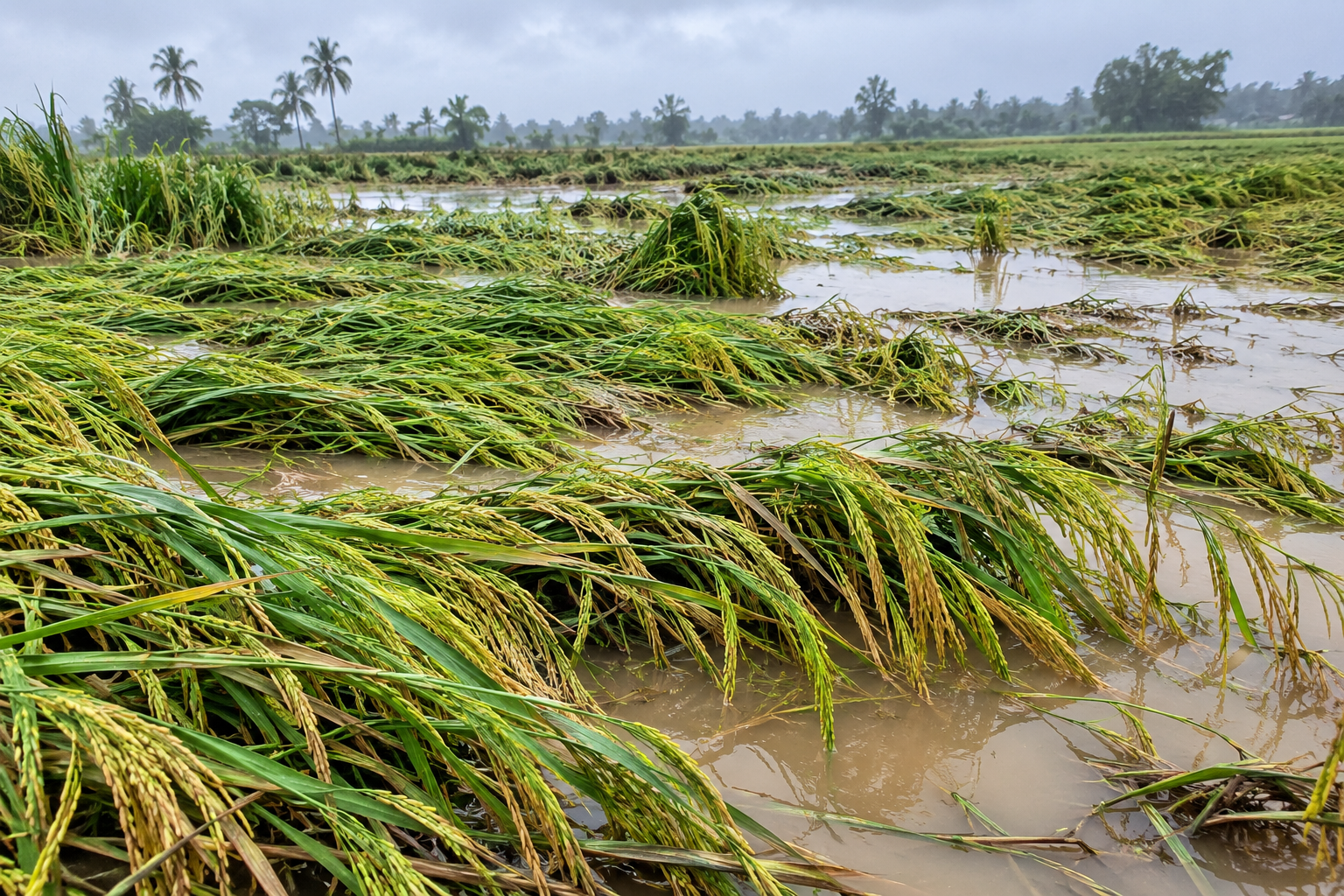
The continuous rainfall has left agricultural fields inundated in several areas, raising concerns over the health of standing crops and the possibility of a substantial decline in productivity. Prolonged stagnation of water in agricultural land can adversely affect crop growth, while excessive moisture may also damage vegetable crops and affect the quality of marketable produce.
For farmers, the immediate concern is the uncertainty surrounding the extent of the damage. Although reports from the affected villages indicate considerable distress among cultivators, a comprehensive field-level assessment is yet to establish the total area affected, the number of farmers who have suffered losses and the likely impact on agricultural production.
The timing of the rainfall has added to the concerns of farming households, many of whom have already incurred substantial expenditure on cultivation. Investments in land preparation, seeds, fertilisers, pesticides and agricultural labour have placed considerable financial pressure on cultivators, leaving them with little scope to absorb unexpected losses.
A satisfactory harvest would have enabled farmers to recover their investments, repay outstanding loans and meet essential household expenses. The damage caused by the prolonged rainfall has now cast uncertainty over these expectations, with cultivators facing the possibility of reduced earnings at a time when their financial commitments remain unchanged.
The situation is equally worrying for vegetable growers, for whom cultivation provides a regular source of income. Damage to standing crops can result in immediate financial losses, while excessive moisture may affect the quality and marketability of vegetables. Delays in harvesting and difficulties in transporting produce from waterlogged fields could further aggravate the situation.
The consequences of the agricultural setback may extend beyond individual farming households. Agricultural labourers, local traders and others dependent on farming activities could also face difficulties if crop production and farm incomes decline. A significant reduction in agricultural earnings could affect purchasing power and economic activity in the affected rural areas.
Against this backdrop, farmers are looking towards the district administration and the Agriculture Department for an early assessment of the damage. A systematic survey of the affected villages would help determine the extent of crop losses and identify cultivators requiring assistance.
Field inspections by officials of the Agriculture and Revenue Departments are considered essential for preparing a reliable assessment report. Documentation of the affected plots, the nature of crop damage and the number of cultivators facing losses would provide the necessary basis for determining the extent of the crisis and considering appropriate relief measures.
The assessment is also important for determining the eligibility of affected farmers for assistance under applicable government schemes and crop insurance provisions. An early and transparent exercise would help ensure that eligible cultivators are identified and that assistance is extended on the basis of verified information.
For farmers who have suffered substantial losses, the timely delivery of government assistance could provide a crucial financial cushion. Delays in assessing the damage and processing eligible claims could deepen the difficulties of households already struggling to meet cultivation expenses and repay borrowed money.
Crop insurance is another important concern for affected cultivators. Farmers covered under applicable insurance schemes will be looking for timely verification of their losses and the settlement of admissible claims in accordance with the prescribed procedures. Expeditious processing would help provide financial support to those facing a decline in agricultural income.
The vulnerability of small and marginal farmers is particularly pronounced, as many depend on borrowed funds to finance each cropping cycle. A poor harvest could leave them struggling to meet repayment obligations while simultaneously arranging money for household necessities and the next season’s cultivation.
The latest spell of rainfall has also brought renewed attention to the need for effective mechanisms to address weather-related agricultural losses. Timely crop-loss assessment, accessible insurance facilities and appropriate relief measures remain important safeguards for farmers whose livelihoods depend heavily on weather conditions.
Farmers in the affected villages are now awaiting a coordinated response from the authorities. Early visits to the affected fields, proper documentation of the losses and the preparation of a comprehensive report would help establish the actual scale of the damage and facilitate decisions on assistance.
The immediate challenge before the administration is to assess the situation without delay and ensure that eligible farmers receive the benefits available under the relevant provisions. Timely assistance and the settlement of admissible crop insurance claims could help cultivators meet their immediate financial obligations and continue agricultural operations.
For Khordha’s farming community, the impact of the low-pressure-induced rainfall extends beyond the prospect of a poor harvest. The damage threatens to undermine months of labour and investment, placing additional pressure on households already grappling with the rising costs of cultivation.
With the extent of the losses yet to be officially established, affected farmers are hoping that the authorities will act promptly to assess the damage and initiate appropriate relief measures. The outcome of the assessment and the timely delivery of assistance will be crucial in determining how quickly cultivators can recover from the setback and prepare for the next agricultural season.

Subha Khabar is now on Whatsapp
Join and get latest news update delivered to you via whatsapp
Join Now